Tax for Small Businesses in Nigeria in 2026: What the New Law Means
From January 2026, small companies pay 0% company tax and individuals pay 0% on their first ₦800,000. See what Nigeria's new tax law means for traders and SMEs.
By the KudiAI Track team · 2026-10-07 · 6 min read
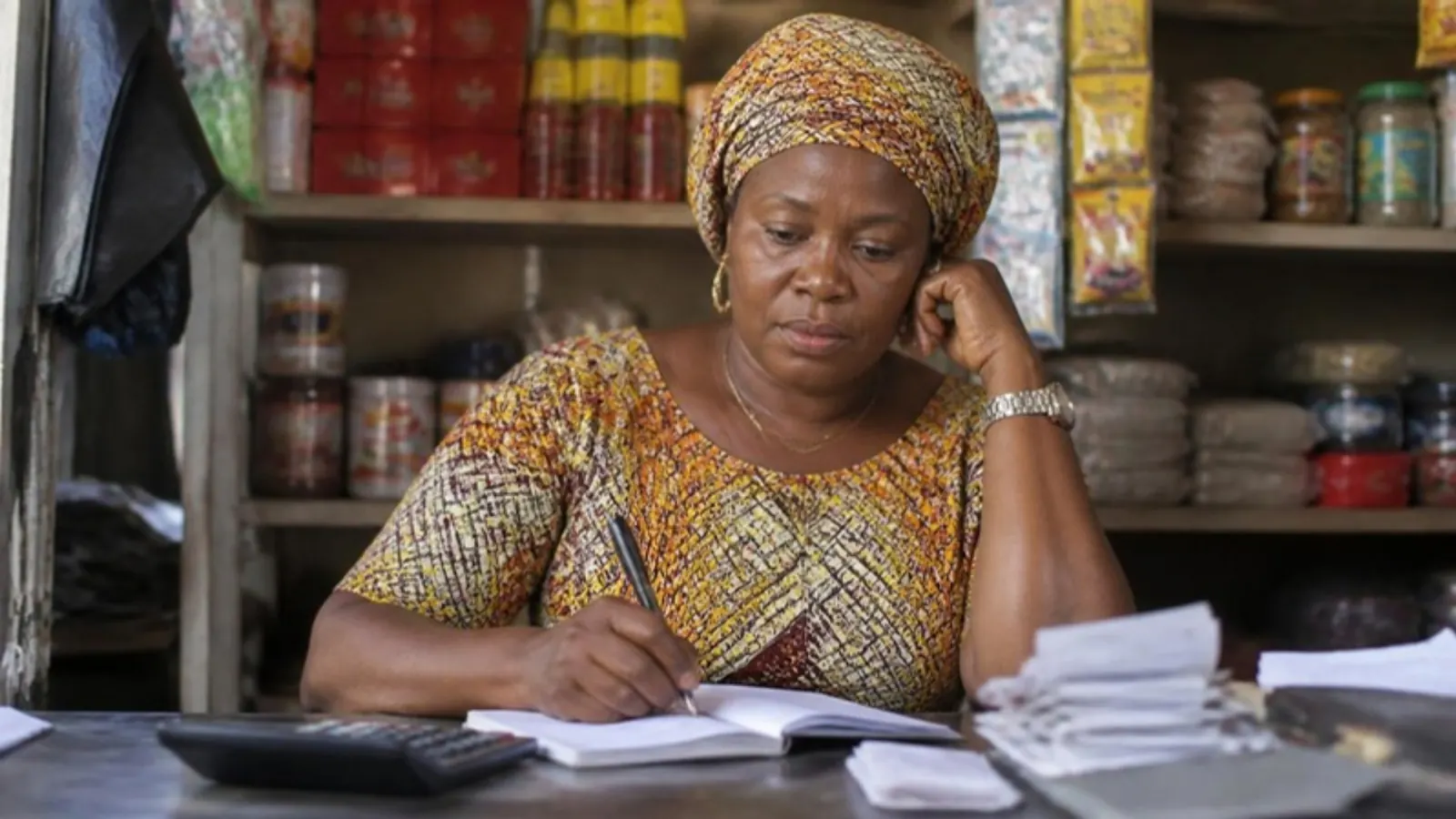
Yes, most businesses in Nigeria still have tax duties in 2026, but many small ones now pay little or nothing. Since 1 January 2026, a small company pays 0% company income tax. If you trade as an individual, your first ₦800,000 of taxable income each year is taxed at 0%.
What changed on 1 January 2026?
Four tax laws were signed on 26 June 2025. The Nigeria Tax Act 2025 (NTA) sets the taxes and the rates. The Nigeria Tax Administration Act 2025 (NTAA) sets how you register, file and pay. Both took effect on 1 January 2026.
The other two laws created the Nigeria Revenue Service (NRS) and the Joint Revenue Board. The NRS replaced the Federal Inland Revenue Service (FIRS) and was launched on 1 January 2026.
Some websites say the small business line is ₦50 million. That figure was in the Tax Administration Act as first gazetted in June 2025. The certified copies released by the National Assembly in January 2026 use ₦100 million, and so does PwC's May 2026 summary. If your turnover is between ₦50 million and ₦100 million, confirm your status with the NRS or an accountant.
Is your business a company or an individual for tax?
Start here, because the rules are different.
- Registered company (Ltd): the company pays company income tax to the NRS.
- Sole trader or business name owner: the business is not separate from you. Its profit is your personal income, taxed by the state internal revenue service where you live.
- Partnership: each partner pays personal income tax on their share of the profit.
A business name registered with CAC does not make you a company. A provisions shop registered as a business name is taxed as the owner's personal income.
What is a small company under the new tax law?
Under the NTA, a small company has gross turnover of ₦100 million or less a year. Its total fixed assets must also not exceed ₦250 million. Both tests must be met.
| Tax | Small company | Other companies |
|---|
| Company income tax | 0% | 30% |
| Development levy | Exempt | 4% of assessable profits |
| VAT registration and charging | Not required, unless professional services | Required |
| Yearly tax return to NRS | Required | Required |
The Act also allows the President to cut the 30% rate to 25% by order.
Example: an auto parts company in Ibadan has ₦70 million turnover, ₦15 million in fixed assets and ₦9 million profit. It is a small company, so it pays ₦0 company income tax and no development levy. Now say turnover grows to ₦120 million and taxable profit to ₦15 million. It pays ₦4,500,000 tax (30%) plus a ₦600,000 levy (4%), a total of ₦5,100,000.
Small companies still file. Every company must file a yearly return, even when no tax is due. A small company may attach a statement of accounts it signs itself, instead of audited accounts. An established company files within six months after its accounting year ends.
How are sole traders taxed, and what is the ₦800,000 exemption?
Your business profit, plus any other income, is your total income. Na your profit dem dey tax, not your sales. You then deduct allowed reliefs, such as pension, NHIS and National Housing Fund contributions.
There is also rent relief: 20% of the annual rent you pay, up to ₦500,000. The old consolidated relief allowance is gone. What is left is taxed at these rates:
| Taxable income band | Rate |
|---|
| First ₦800,000 | 0% |
| Next ₦2,200,000 | 15% |
| Next ₦9,000,000 | 18% |
| Next ₦13,000,000 | 21% |
| Next ₦25,000,000 | 23% |
| Above ₦50,000,000 | 25% |
Example: a provisions seller in Nyanya sells ₦9,000,000 of goods in a year. Stock, stall rent and transport cost ₦6,600,000, so her profit is ₦2,400,000. She pays ₦600,000 a year for her flat, so her rent relief is ₦120,000. Her taxable income is ₦2,280,000. The first ₦800,000 is taxed at 0%. The other ₦1,480,000 is taxed at 15%, which is ₦222,000 for the year.
If her taxable income were ₦750,000, she would owe nothing. The law still expects a yearly return from every taxable person, whether or not tax is due. State tax offices may issue simpler return forms for low earners and informal businesses.
Do small businesses charge VAT?
The VAT rate is 7.5%. Under the NTAA, a "small business" does not have to register for VAT, charge it or file monthly VAT returns. This applies to sole traders and companies alike.
Here a small business means turnover of ₦100 million or less and fixed assets of no more than ₦250 million. Businesses that provide professional services are excluded from this relief. A small business can choose to opt in by giving the NRS written notice. Once you stop being a small business, you must file monthly VAT returns.
Do you need a Tax ID for your business?
Yes. The NTAA says every taxable person must register and get a Tax ID. It must appear on your tax returns. Banks, insurers and other financial firms must collect it from taxable customers.
In December 2025 the tax authority, then FIRS, said an individual's NIN now serves as their Tax ID. For a registered company, the CAC RC number serves as its Tax ID. You do not need a separate application, and you can check yours on the Nigerian Tax ID Portal.
Failing to register carries a penalty of ₦50,000 for the first month and ₦25,000 for each month after. Failing to file a return costs ₦100,000 for the first month and ₦50,000 for each month after.
What records should you keep?
The NTAA says every person must keep books or records, whether or not tax is due. They must show enough detail to work out your tax, be in English and be kept for at least six years. If you keep no proper records, the NTA lets the tax office assess you under a presumptive tax regime instead.
Keep these:
- Daily sales, including credit sales and part payments.
- Expenses with receipts: stock, rent, fuel, wages and transport.
- Bank, POS and wallet statements.
- Copies of the invoices and receipts you issue.
- Rent receipts, if you claim rent relief.
- A stock count at the end of each year.
Failing to keep records attracts a penalty of ₦10,000 for an individual and ₦50,000 for a company.
How KudiAI Track helps
KudiAI Track records sales and expenses by tap or by voice. It saves the cost price with every sale, so the profit you see is real profit. Its credit tracker keeps every debt and part payment, so you know exactly which customer still owes you. A monthly business report and wallet statement arrive as PDF on the 1st, ready for your yearly statement of accounts.
This is general information, not tax advice: confirm your own position with your state tax office, the NRS or an accountant.
Questions people ask
Do I pay tax if my business profit is below ₦800,000 a year?
If you trade as an individual and your taxable income is ₦800,000 or less, the rate is 0%. You should still keep records and file the yearly return your state tax office asks for.
Is a business name registered with CAC a small company for tax?
No. A business name is not a company, so the 0% company income tax rule does not apply to it. Its profit is taxed as the owner's personal income by the state tax office.
Who collects tax from small businesses now that FIRS is gone?
The Nigeria Revenue Service (NRS), which replaced FIRS from 1 January 2026, handles company income tax and VAT. Personal income tax for sole traders is handled by the state internal revenue service where you live.
What is my Tax ID if I am a sole trader?
As an individual, your NIN serves as your Tax ID, the tax authority said in December 2025, so no separate application is needed. You can look it up on the Nigerian Tax ID Portal.
Sources
- Nigeria Tax Act 2025, certified copy (published by Premium Times)
- Nigeria Tax Administration Act 2025, certified copy (published by Premium Times)
- Nigeria Tax Administration Act 2025 as first gazetted, 26 June 2025 (Gazette Nigeria copy)
- Premium Times via AllAfrica: certified true copies of Nigeria's new tax laws (January 2026)
- Premium Times: How FG allegedly altered tax reform laws, Reps panel (January 2026)
- PwC Worldwide Tax Summaries: Nigeria, taxes on corporate income (reviewed 29 May 2026)
- PwC Worldwide Tax Summaries: Nigeria, individual significant developments (reviewed 29 May 2026)
- Forvis Mazars Nigeria: Navigating Nigeria's new tax era (December 2025)
- Radio Nigeria Lagos: FG launches Nigeria Revenue Service as new tax regime takes effect (1 January 2026)
- Legit.ng: FIRS confirms NIN will serve as Tax ID for individuals (December 2025)
- Nigerian Tax ID Portal